Dental emergencies can happen unexpectedly and often cause significant pain, stress, and concern. Whether it is a sudden toothache, a broken tooth, or trauma to the mouth, seeking emergency dental treatment promptly can make the difference between saving and losing a tooth. Understanding when to seek urgent care and how emergency dentistry works helps patients protect their oral health and avoid long-term complications.
At Brandon Dental Clinic, providing fast, professional, and effective emergency dentistry services is a priority, ensuring patients receive immediate pain relief and appropriate treatment when it matters most.
What Is Considered a Dental Emergency?
A dental emergency is any oral health issue that requires immediate attention to relieve pain, stop bleeding, prevent infection, or save a tooth. Delaying care can worsen the condition and lead to more complex treatment later.
Common dental emergencies include:
- Severe toothache or persistent dental pain
- Broken, cracked, or chipped teeth
- Knocked-out (avulsed) teeth
- Dental abscess or swelling
- Lost fillings or crowns
- Bleeding gums due to injury
- Sudden sensitivity caused by exposed nerves
These situations often require same-day dental emergency care to prevent irreversible damage.
Why Immediate Dental Care Is Critical
Teeth and surrounding tissues are highly sensitive. When damaged or infected, bacteria can spread quickly, leading to serious oral and general health problems. Seeking urgent dental care ensures the affected area is stabilised before complications develop.
Prompt emergency treatment can:
- Save a natural tooth from extraction
- Prevent infections from spreading
- Reduce pain and inflammation
- Protect surrounding teeth and gums
- Minimise long-term treatment costs
Early intervention by an experienced emergency dentist often allows for more conservative and successful treatment.
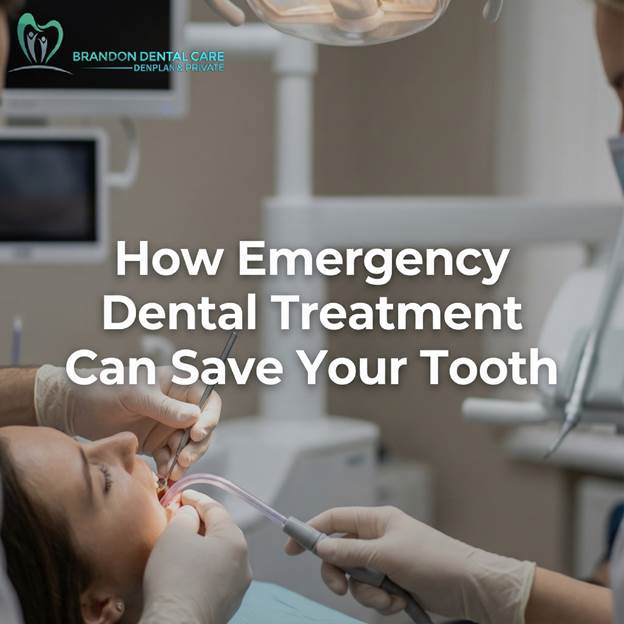
How Emergency Dental Treatment Can Save Your Tooth
1. Rapid Pain Diagnosis and Relief
One of the main goals of emergency dental treatment is immediate pain control. Severe toothache is often caused by infection, decay, or trauma. An emergency dentist quickly identifies the cause using digital X-rays and clinical examination.
Depending on the diagnosis, treatment may include:
- Temporary or permanent fillings
- Root canal treatment
- Emergency cleaning and drainage of infection
- Medication to control pain and swelling
Addressing the issue early prevents further damage to the tooth structure.
2. Treating Dental Infections Before They Spread
Dental abscesses are serious infections that form around the root of a tooth or in the gums. Left untreated, they can spread to surrounding bone and soft tissues.
Emergency dental treatment may involve:
- Drainage of the abscess
- Root canal treatment to remove infection
- Antibiotic therapy where necessary
By removing the source of infection promptly, the natural tooth can often be preserved, avoiding tooth loss or surgical extraction.
3. Repairing Broken or Cracked Teeth
A broken or cracked tooth is not only painful but also vulnerable to infection. Emergency dentistry focuses on stabilising and restoring the tooth as quickly as possible.
Treatment options may include:
- Composite bonding or white fillings
- Dental crowns
- Temporary restorations followed by permanent solutions
Fast treatment protects the inner tooth structure and restores function and appearance.
4. Saving a Knocked-Out Tooth
A knocked-out tooth is one of the most time-sensitive dental emergencies. If treated within the first hour, the chances of saving the tooth are significantly higher.
Emergency dentists may:
- Clean and reposition the tooth
- Stabilise it using splinting
- Monitor healing over follow-up visits
Quick action and immediate professional care can allow the tooth to reattach successfully.
5. Managing Lost Fillings and Crowns
Lost fillings or crowns expose the tooth to sensitivity, decay, and further damage. Emergency dental treatment protects the exposed area and prevents worsening of the condition.
Temporary or permanent restorations help:
- Seal the tooth
- Restore bite and function
- Prevent bacterial infection
Early replacement avoids the need for more complex procedures such as root canal treatment or extraction.
Emergency Dentistry vs Routine Dental Care
While routine dental check-ups focus on prevention and long-term oral health, emergency dentistry addresses immediate issues requiring urgent attention. Both are essential parts of comprehensive dental care.
Routine care helps prevent emergencies through:
- Regular dental hygiene visits
- Early detection of decay and gum disease
- Preventive dental care
However, when emergencies occur, having access to professional emergency dental services ensures fast and effective solutions.
When Tooth Extraction Is Avoided
One of the main objectives of emergency dental treatment is to save the natural tooth whenever possible. Modern dentistry prioritises conservative approaches before considering extraction.
When extraction is unavoidable, replacement options such as dental implants, bridges, or dentures may be discussed to restore function and appearance. However, timely emergency care often prevents tooth loss altogether.
Advanced Technology in Emergency Dental Care
Modern dental clinics use advanced technology to improve diagnostic accuracy and treatment outcomes. Digital imaging, CBCT scans, and modern materials allow dentists to act quickly and precisely during emergencies.
These technologies support:
- Accurate diagnosis
- Minimally invasive treatments
- Faster recovery times
- Improved long-term success
Advanced equipment plays a vital role in protecting oral health during urgent situations.
Caring for Nervous and Anxious Patients
Dental emergencies can be stressful, especially for nervous patients. Professional emergency dental clinics prioritise patient comfort and reassurance during treatment.
Gentle techniques, clear communication, and calm environments help reduce anxiety and ensure patients feel supported throughout the process.
Preventing Future Dental Emergencies
While not all emergencies are avoidable, many can be prevented through regular dental care and good oral hygiene habits.
Preventive steps include:
- Attending routine dental check-ups
- Maintaining daily brushing and flossing
- Wearing mouthguards during sports
- Addressing minor dental issues early
Preventive dental care significantly reduces the risk of sudden dental emergencies.
When to Contact an Emergency Dentist
You should seek emergency dental treatment immediately if you experience:
- Severe or persistent tooth pain
- Swelling of the face or gums
- Trauma to the mouth or teeth
- Bleeding that does not stop
- Signs of infection such as fever or pus
Prompt action protects your oral health and increases the likelihood of saving your tooth.
Conclusion
Emergency dental treatment plays a crucial role in saving teeth, relieving pain, and preventing serious complications. Acting quickly when a dental emergency occurs can preserve your natural smile, protect surrounding tissues, and reduce the need for complex procedures.
If you experience a dental emergency, contacting a professional dental clinic without delay ensures you receive the urgent care needed to protect your oral health and overall well-being.
Book emergency dental care at Brandon Dental Clinic
📞 01842 810 752
💻 brandondentalclinic.co.uk